

This window screen kit is simple to install and fits well on a variety of window sizes. The mesh feels sturdy for its weight, and the hook and loop tape hold everything tightly in place without slipping.
Steve
Velcro Window Screens | DIY Adjustable Window Screen | Window Screen With Velcro
Price range: R800 through R1,900
A Variety Of Sizes to Choose From
FREE FAST DELIVERY ACROSS SOUTH AFRICA ON ALL ORDERS R750+ or more (save R300)
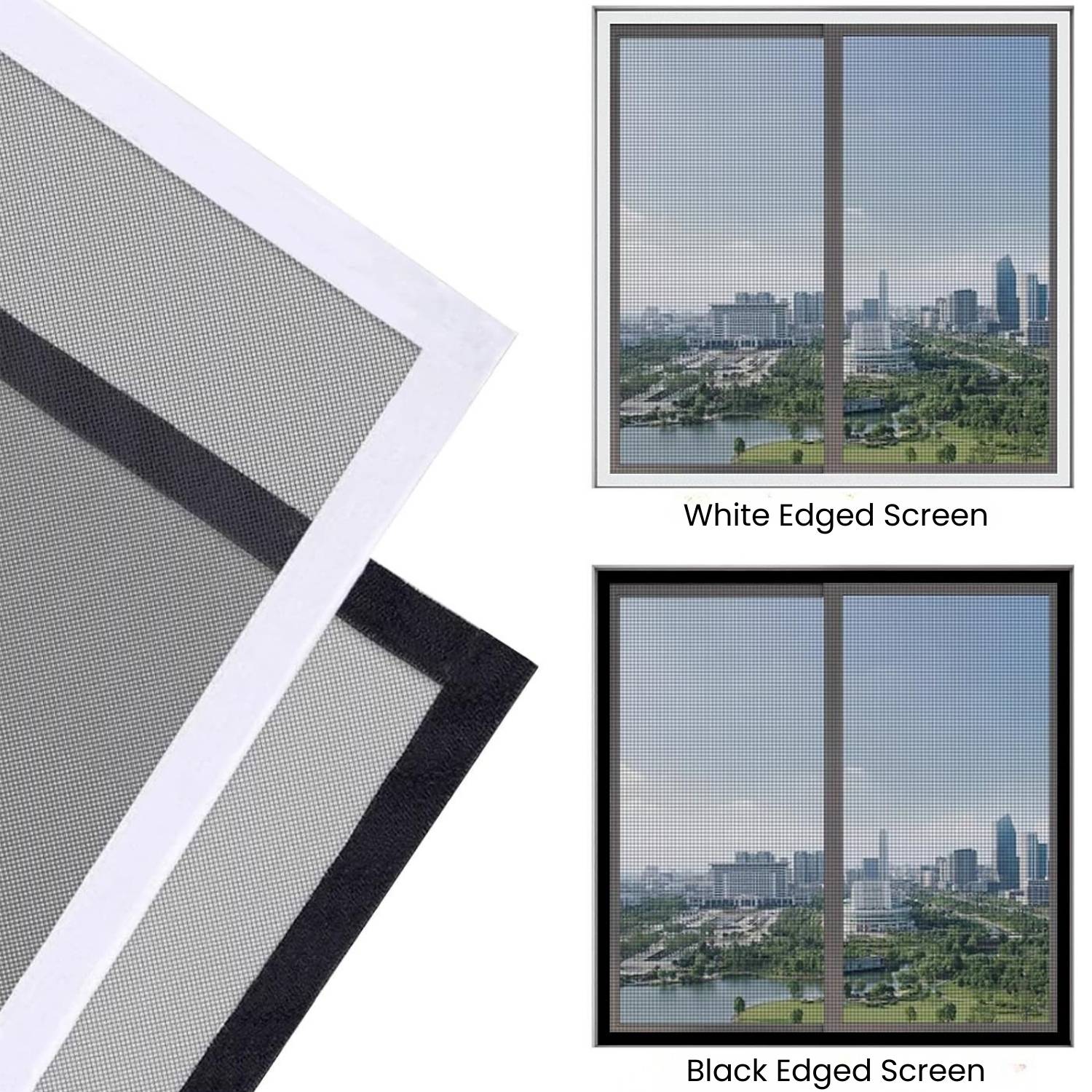
Velcro edged flexible screens – x2 great frame colours in either a standard insect mesh, with midge mesh or pet mesh
Standard Mesh
Grey in colour - suitable for all insects, flies and mosquitos
Standard Mesh Specifications
18 X 16 (thread count per square inch) mesh insect screening, and is woven from permanent glass yarn, coated with a protective vinyl to ensure lasting beauty, colour and flexibility.
It is produced under the most exacting conditions to meet extremely rigid specifications. Phiferglass is noncombustible and will not rust, corrode or stain. Dark Phiferglass screens offer the best outward visibility of the product line.
- Colour: Grey
- Diameter: 0.011″ | 0.279mm
- Open Area: 66%
Midge Mesh
Black in colour - also suitable for all insects, flies and mosquitos - but has a tighter weave that will also prevent Midges (what are Midges? - click here)
Midge Mesh Specifications
20 x 20 (thread count per square inch) mesh.
Known as NO-SEE-UMS screen, this fiberglass screen is a tightly woven 20×20 mesh designed to keep out smaller flying insects like no-see-ums, gnats, sand flies, and other bugs that may inhabit marshy or coastal areas.
While densely woven, this screening still allows good ventilation and visibility and provides some daytime privacy. 20×20 Fiberglass screening is woven from permanent glass yarn which has been coated with a protective vinyl to ensure lasting beauty, color and flexibility. It is produced under the most exacting conditions to meet extremely rigid specifications.
Fiberglass screen is noncombustible and will not rust, corrode or stain, making it perfect for windows, doors, patios, and pools.
- Colour: Black
- Diameter: 0.013″ | 0.33mm
- Open Area: 45%
Pet Mesh
Suitable for all insects, flies and mosquitos and indestructible from any pet claws
Pet Mesh Specifications
10 x16 (thread count per square inch) mesh.
Pet mesh is made from heavy duty vinyl coated polyester yarns, which is stronger than standard mesh. Pet mesh is the absolute answer to screen damages cause by the claws of cats and dogs. It is tough and durable and yet offers superb outward visibility.
Pet Mesh can be used on insect screen doors and windows and keeps out all types of bugs, flies and mosquitos.
DUE TO CURRENT DEMAND PLEASE ALLOW 5-7 DAYS DELIVERY
Direct To Your Door - All Across South Africa
Order the frame size that is slightly larger than the window you want to screen – you are able to easily cut the frame to fit (with a cutting blade or strong scissors – no tradesman tools required).
DIY Adjustable Window Screens – Functionality & Durability
Here are a few reasons why the velcro adjustable window screen is the ideal cheap flyscreen solution:-
- it can be easily folded and stored away when not in use
- the VELCRO® Brand fastener strips enable the flyscreen to be opened up to 10,000+ times.
- they are ideal for vans, boats and motorhomes
- being custom made you can custom shape and size (ie out of square window or rhomboid)
- extra large windows as well as outside entertainment areas can be easily screened with ease using DIY Velcro Window Screens.
- your new DIY Velcro Window Screens will arrive with simple install instructions, no tools or tradesmen needed.
DIY Adjustable Window Screens are suitable for any windows old or new and for any window type; sash, awning, casement, hopper, and slider.
Simple DIY Installation
- Clean the surface of your window frame to remove any dust, grease, or oil.
- Use an alcohol base cleaner as a final wipe to ensure that the surface is spotless, allow to dry.
- Carefully fit the self adhesive VELCRO® Brand fastener onto the now clean & dry surface. Do so when the room temperature is 18°C or higher in non-humid conditions. If the temperature is low, warm the frame and the VELCRO® Brand fastener with a hair dryer, or fan heater in an effort to increase the bond.
- WARNING: Do not touch the adhesive strip with fingers, and ensure your scissors are clean and sharp.
- Hold the VELCRO® fastener strip on the edges between your thumb and forefinger, & gently peel back the liner (without touching the glue) to about 25mm (1″) and place in position on the window frame.
- Continue down one side of the window frame peeling back the strip liner as you go. Proceed with the other sides of frame.
- Apply pressure to the strip of the installed VELCRO® fastener with a teaspoon or similar utensil.
- By applying pressure this activates the ‘Pressure Sensitive Glue’, so it is important to pay special attention to the corners as these are often missed.
- The VELCRO® fastener will eventually come away from the window frame if sufficient pressure is not applied, and if this happens it cannot be reused.
- WARNING: Allow 24 hours for the glue to harden thoroughly before installing your screen.
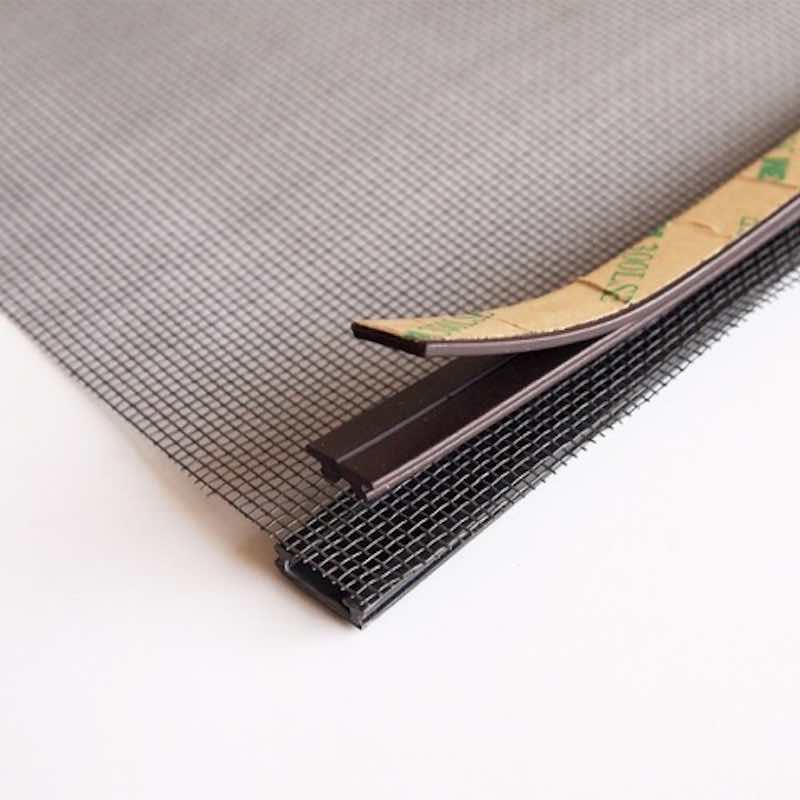
DIY Adjustable Window Screens adhere to your window frame on all 4 sides by a continuous strip of 20mm width self-adhesive VELCRO® Brand fastener providing a slim and discreet appearance.
-
WHICH PAYMENT METHODS ARE ACCEPTED?
We currently only accept credit card payments, PayPal & Crypto currency. More payment methods will be added in the future.
-
WHAT CURRENCY ARE THE PRICES DISPLAYED IN?
All of our prices are displayed in South African Rand
-
WHAT ARE YOUR DELIVERY OPTIONS AND HOW LONG WILL IT TAKE?
- SOUTH AFRICA: Free Delivery, 5-7 days
OUR DELIVERY PARTNERS INCLUDE

-
DO I GET A RECEIPT FOR MY ORDER?
You will be sent a receipt for your order by email after payment is made. You will also receive a confirmation email with a tracking number once your item has been shipped.
-
DO YOU HAVE A SHOP LOCATION?
We are a “online supplier”, with no physical shop or premises. In this way, we are able to pass our considerable savings directly to you.
-
DO YOUR PRODUCTS COME WITH WARRANTY?
Unless otherwise stated all items purchased come with a standard consumer warranty.
-
CAN I RETURN MY ITEM?
We will gladly Refund or Exchange an item if:
- The item is faulty
- The item is not the same as the description or as shown or advertised
- The item does not perform as per the manufacturers intention
You may not be entitled to a Refund or Exchange if:
- You have changed your mind and no longer require the item
- You decide you cannot afford the item
- You found the item cheaper elsewhere
- The style, colour, or size is not suitable
- You were responsible for the fault
- All refund requests MUST be accompanied with an original receipt or other proof of purchase.
- Please feel free to discuss our policy with our Manager prior to purchase.
Note that measurements quoted on our website and affiliated sites and social media channels are subject to slight variances, when purchasing items measure all items to ensure they fit your space.
-
HOW DO I KNOW IF MY ORDER HAS BEEN SHIPPED?
Once your order is shipped, it will be marked as complete in our database and you will receive a confirmation email with a tracking number.
-
I HAVEN'T RECEIVED MY ORDER YET! IS IT LOST?
If you have any concerns with your order, please contact our support team by email and they will be glad to assist you. Most emails are answered within 1 business day.
Support Team: admin@customersupport.care
-
1
Velcro Window Screens: The Complete Guide to Adjustable Window Screens and Window Screens With Velcro
Not every window fits neatly into a standard screen size, and not every homeowner wants to drill holes into their window frames. Velcro window screens solve both of these problems at once. They attach to your window frame using a simple hook-and-loop strip, conform to virtually any window shape and size, and come off cleanly whenever you want to close the window, wash the screen, or store it for the season. No tools, no brackets, no permanent modifications to your home.
The adjustable window screen has become a favourite solution for renters, homeowners with non-standard windows, and anyone who values flexibility and simplicity in their insect protection. A window screen with velcro gives you the freedom to screen any opening in your home regardless of its dimensions, and to do it yourself in a matter of minutes. This guide covers everything from choosing the right materials to installation techniques and long-term maintenance so your velcro screens perform beautifully from the first day through many seasons of use.
How Velcro Window Screens Work
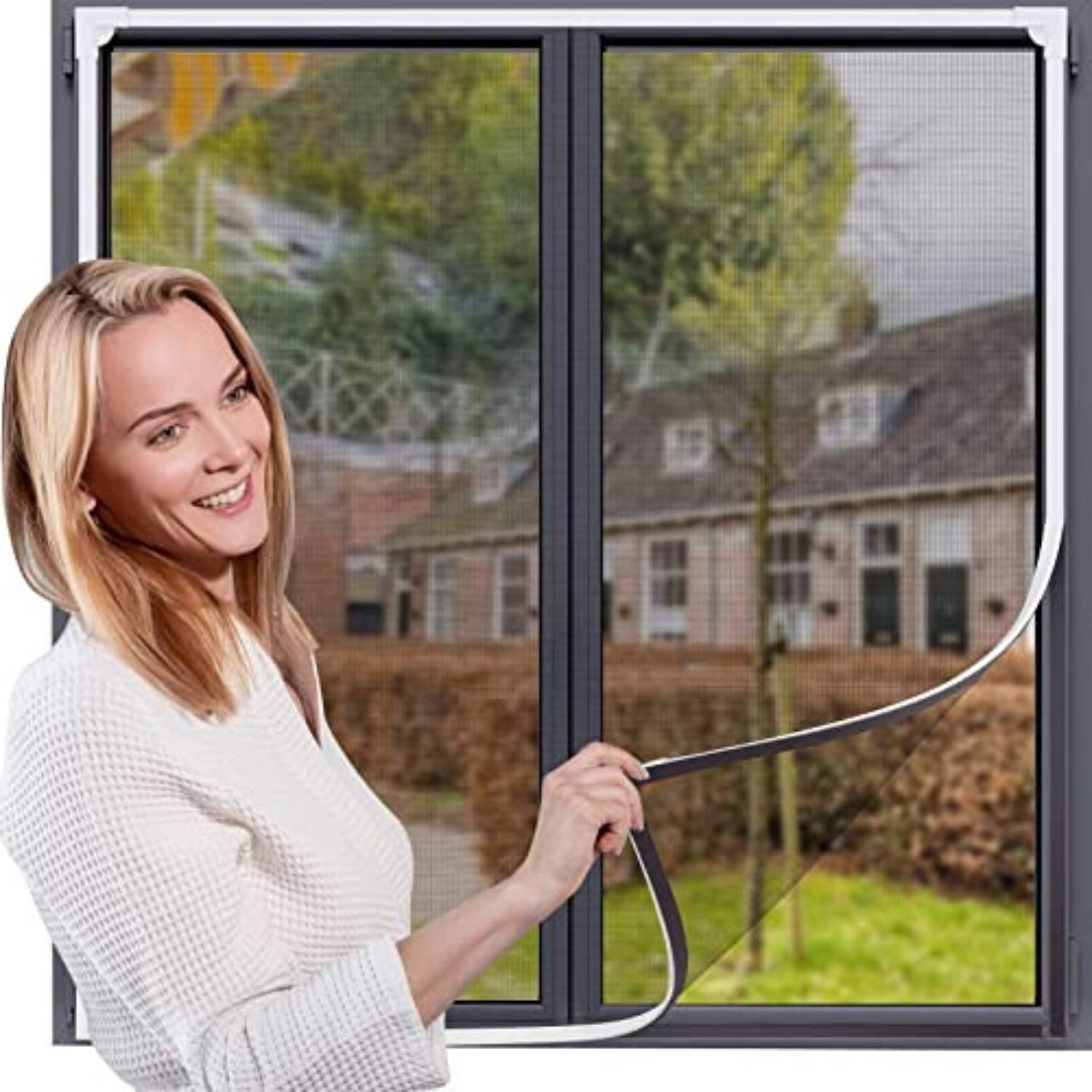
The concept behind a velcro window screen is elegantly simple. A strip of adhesive-backed hook-and-loop tape is applied around the perimeter of your window frame. A matching strip is attached to the border of the mesh screen panel. When you press the screen against the frame, the two velcro surfaces grip each other and hold the screen securely in position over the opening. To remove the screen, you peel it away from one corner, and the velcro separates cleanly, ready to reattach whenever you need it.
This approach eliminates the need for rigid frames, spring clips, tension systems, and all the hardware associated with traditional window screens. The velcro bond is strong enough to hold the screen in place against moderate wind while remaining easy to separate by hand. The result is a screen that feels almost invisible when installed, adds no bulk or visual weight to the window, and can be removed and reattached hundreds of times without losing its grip.
The Hook-and-Loop System Explained
Hook-and-loop fastening, commonly known by the brand name Velcro, uses two complementary textile strips. The hook side is covered in tiny stiff hooks that catch and hold onto the loop side, which is covered in soft, flexible loops. When pressed together, the hooks engage the loops and create a surprisingly strong bond. Pulling the strips apart disengages the hooks from the loops with the familiar ripping sound that has become synonymous with the material.
For window screen applications, the hook strip is typically applied to the window frame using a peel-and-stick adhesive backing, while the loop strip is sewn or bonded to the border of the mesh panel. This pairing works well because the softer loop side on the screen panel is less likely to catch on clothing, curtains, or hands when the screen is removed and handled. Some products reverse this arrangement or use a hook-and-loop combination on both the frame and screen sides, so it is worth checking the product specifications to understand which configuration your chosen screen uses.
Why Velcro Is Well Suited to Window Screens
Several properties of hook-and-loop tape make it particularly effective as a window screen attachment method. The bond distributes holding force evenly across the entire perimeter of the screen, unlike point fasteners such as clips or magnets that concentrate force at individual attachment locations. This distributed grip means there are no weak points where wind can lift the screen edge and create a gap for insects to enter. The velcro also accommodates slight irregularities in the window frame surface, maintaining a secure bond even on frames that are not perfectly flat or straight. And because the hook-and-loop connection can be engaged and separated thousands of times without wearing out, a window screen with velcro can be removed and reattached daily for years without the fastening system losing its effectiveness.
Benefits of Choosing an Adjustable Window Screen With Velcro
Velcro window screens offer a collection of practical advantages that make them appealing to a wide range of homeowners and living situations. These benefits explain why adjustable window screens have grown so rapidly in popularity.
Fits Any Window Size and Shape
The single greatest advantage of a velcro-based screen system is its ability to fit literally any window. Standard framed screens come in fixed sizes that may not match your windows, leaving you to choose between an imperfect fit and the expense of custom manufacturing. An adjustable window screen using velcro is trimmed to your exact window dimensions during installation. You cut the mesh and the velcro strip to match the precise measurements of each opening, producing a custom fit for every window in your home without the wait time or premium associated with made-to-measure products.
This adaptability extends to non-rectangular windows as well. Arched windows, circular porthole windows, triangular attic windows, and irregularly shaped openings that would be extremely difficult or impossible to fit with a rigid framed screen can all be covered with velcro-attached mesh. You simply follow the contour of the frame with the velcro strip and cut the mesh to match the shape. The flexibility of the hook-and-loop tape allows it to follow curves and angles that rigid screen frames cannot accommodate.
Perfect for Renters and Non-Permanent Installations
Renters face a constant challenge when it comes to window screens. Many rental properties lack screens entirely, and installing traditional framed screens requires drilling into the window frame, which most lease agreements prohibit. Velcro window screens require no drilling, no screws, and no permanent modifications of any kind. The adhesive velcro strip presses onto the frame and can be peeled off when you move out, leaving no holes and minimal residue that cleans up easily with a mild adhesive remover.
This non-permanent installation also suits homeowners who prefer not to make irreversible changes to their window frames. Heritage homes with original timber frames, newly painted windows, and high-end window systems where drilled holes would void the manufacturer’s warranty all benefit from the zero-damage attachment that a window screen with velcro provides.
Quick and Easy Seasonal Installation
Many households only need insect screens during warmer months and prefer completely clear windows during the cooler season. Velcro window screens make seasonal installation and removal almost effortless. When warm weather arrives, you press each screen onto its corresponding window and the velcro grips instantly. When the season ends, you peel the screens off, roll them up, and store them until next year. The velcro strips on the window frames can remain in place year-round without affecting the appearance or operation of the window, so reinstalling the screens the following season takes even less time because the frame preparation is already done.
Extremely Low Profile and Unobtrusive
Without a rigid frame surrounding the mesh, velcro window screens sit almost flat against the window opening. The mesh panel adds virtually no depth to the window profile, and the thin velcro strips blend into the frame edge and become nearly invisible from normal viewing distance. This low-profile installation preserves the clean lines of your windows and does not interfere with curtains, blinds, or shutters that operate close to the frame. For homeowners who dislike the chunky appearance of traditional framed screens, the sleek, minimal look of a velcro-attached screen is a major aesthetic advantage.
Types of Velcro Window Screens Available
The market offers several different velcro window screen products ranging from complete kits to individual components that let you build a custom solution from scratch.
Pre-Made Velcro Screen Kits
Pre-made kits include a mesh panel, pre-cut velcro strips, and an installation guide in a single package. Some kits are designed for specific standard window sizes, while others include an oversized mesh panel and extra-long velcro strips that you trim to fit. Pre-made kits are the fastest way to get started because all the components are matched and ready to use. They are ideal for homeowners who want a straightforward, no-decisions-required solution for standard rectangular windows.
Adjustable Window Screen Kits
Adjustable window screen kits are specifically designed for versatility. They include a large sheet of mesh, a generous supply of velcro tape, a cutting template or measuring guide, and sometimes a rotary cutter or scissors for trimming. These kits are intended to be customised to your exact window dimensions during installation. An adjustable window screen kit typically contains enough material to screen one large window or two to three smaller windows, giving you flexibility in how you allocate the components across different openings in your home.
DIY Component Purchases
For homeowners who prefer complete control over their materials, purchasing the mesh and velcro strips separately offers the widest range of options. You can choose the exact mesh material, density, and colour that suits your needs, and pair it with industrial-grade hook-and-loop tape rated for the specific conditions your windows face. This approach requires a little more knowledge and planning but produces results that can exceed the quality of pre-packaged kits because every component is selected for your specific application rather than chosen as a general-purpose compromise.
Magnetic-Velcro Hybrid Screens
Some innovative products combine velcro attachment with a magnetic strip for a dual-fastening system. The velcro provides the primary bond while the magnetic strip adds supplementary holding strength along the bottom edge or at strategic points around the perimeter. This hybrid approach offers stronger wind resistance than velcro alone while maintaining the easy installation and removal that makes velcro screens so convenient. Hybrid screens are worth considering for windows in exposed locations where wind occasionally lifts the edges of a pure velcro installation.
How to Install a Velcro Window Screen
Installing a window screen with velcro is one of the simplest home improvement tasks you can undertake. The process requires no special skills or tools, and the results are immediate. Following these steps ensures a clean installation that holds firmly and looks professional.
Preparing the Window Frame
Surface preparation is the most important step in the entire installation process. The adhesive backing on the velcro strip needs a clean, dry, smooth surface to form a lasting bond. Start by wiping the entire frame perimeter where the velcro will be applied using a cloth dampened with rubbing alcohol. This removes dust, grease, pollen, and any silicone or wax residues that might be present from cleaning products or weatherstripping treatments. Allow the surface to dry completely before applying the velcro.
If your window frame has a textured, rough, or heavily painted surface, the adhesive may struggle to make consistent contact. In these cases, lightly sanding the contact area with fine-grit sandpaper creates a smoother surface that dramatically improves adhesion. For frames with peeling paint or flaking finishes, scrape away any loose material and clean the exposed surface before applying the velcro strip.
Applying the Velcro Strip to the Frame
Begin at one corner of the window and work your way around the frame, peeling the adhesive backing from the velcro strip as you go. Press the strip firmly into the frame surface with steady, even pressure. Avoid stretching the strip as you apply it because stretching thins the adhesive layer and weakens the bond. At corners, cut the strip cleanly and butt the next section tightly against the end of the previous one to maintain a continuous fastening surface with no gaps.
Once all four sides are in place, run your thumb or a flat tool along the entire length of the strip with firm pressure to activate the adhesive fully. Allow the adhesive to cure for the time recommended by the manufacturer, which is typically 24 hours for maximum bond strength. While some adhesives feel secure within minutes, giving them the full cure time ensures the velcro strip stays put through seasons of use, temperature changes, and repeated screen attachment and removal.
Cutting and Attaching the Mesh Panel
Lay the mesh flat on a clean work surface and cut it to the dimensions of your window opening, adding approximately 15 to 20 millimetres on each side to cover the width of the velcro strip on the frame. If your kit includes a mesh panel with a pre-attached velcro border, simply trim the panel to fit your window, leaving the velcro border intact. If you are attaching velcro to the mesh yourself, apply the loop strip (or whichever strip is designated for the mesh side) around the border of the cut panel, pressing it firmly onto the mesh surface.
Once the mesh is prepared, align the top edge with the top of the window frame and press the velcro surfaces together. Work your way down each side and across the bottom, smoothing the mesh flat against the opening as you go. The velcro will engage with a satisfying grip, and you can adjust the positioning by peeling and reattaching until the mesh sits evenly across the window with no wrinkles, bulges, or slack areas.
Tips for Achieving a Wrinkle-Free Finish
Wrinkles in the mesh reduce airflow, obscure visibility, and look untidy. To avoid them, attach the top edge of the mesh first and let gravity pull the panel downward naturally before securing the sides and bottom. This allows the mesh to hang under its own weight, which eliminates most wrinkles before you even begin attaching the lower sections. If a wrinkle does appear, simply peel the affected section of velcro, smooth the mesh by hand, and reattach. The forgiving nature of the velcro connection means you can adjust and reposition the mesh as many times as needed to achieve a perfectly smooth result.
Maintaining Your Velcro Window Screens
Velcro window screens require minimal maintenance, but regular attention to the mesh and the velcro strips keeps the system performing at its best and extends the life of every component.
Cleaning the Mesh
Remove the mesh panel from the window by peeling it off the velcro strip. Wash the panel in warm water with a mild dish soap, using a soft brush to loosen any trapped dust, pollen, or cobwebs from the mesh weave. Rinse thoroughly and hang the panel to air dry completely before reattaching it to the window. Avoid machine washing unless the manufacturer specifically confirms the mesh and its velcro border can withstand the agitation, as machine washing can damage delicate mesh fibres and weaken the bond between the velcro strip and the mesh border.
Maintaining the Velcro Strips
Over time, the hook side of the velcro strip collects lint, dust, pet hair, and fibres that fill the spaces between the hooks and reduce their ability to grip the loop side. This gradual clogging is the most common reason velcro window screens lose their holding strength. Cleaning the hook strip periodically restores its grip to near-original levels. Use a fine-toothed comb, a stiff toothbrush, or a strip of the loop-side velcro itself to sweep across the hook surface and pull out trapped debris. This simple maintenance step takes less than a minute per window and makes a dramatic difference in how firmly the screen attaches.
The adhesive holding the velcro strip to the frame can also weaken over time, particularly in high-heat locations or on frames exposed to direct sunlight. Inspect the frame strips periodically and press down any sections that have begun to lift. If a section of adhesive has failed completely, remove the old strip, clean the frame surface, and apply a fresh piece of velcro tape. Replacement adhesive-backed velcro is readily available and easy to apply, making this an inexpensive and quick repair.
Storing Screens During the Off-Season
When you remove your velcro window screens for winter storage, roll each mesh panel loosely rather than folding it. Folding creates crease lines in the mesh that may not flatten out completely when the screen is reinstalled, leaving visible lines that affect both appearance and airflow. Store the rolled panels in a dry location away from direct sunlight and extreme temperatures. If the screens have velcro borders, prevent the hook and loop sides from sticking to themselves during storage by rolling the panel with the velcro side facing outward, or by placing a strip of paper or fabric over the velcro border before rolling.
Comparing Velcro Window Screens to Other Attachment Methods
Understanding how velcro screens compare to other popular attachment methods helps you decide whether a window screen with velcro is the right choice for your specific situation.
Velcro vs. Magnetic Attachment
Magnetic window screens and velcro window screens share many advantages including tool-free installation, easy removal, and non-permanent attachment. The key differences lie in holding strength and surface compatibility. Magnetic screens generally provide a stronger attachment force, particularly against wind, because the magnetic attraction increases as the screen is pressed closer to the frame strip. Velcro provides a more consistent hold that does not depend on the distance between surfaces and works equally well on any frame material, whereas magnetic screens require either a metal frame or an adhesive magnetic strip on the frame surface.
Velcro also offers a more gradual peeling action when removing the screen, which gives you more control during removal. Magnetic screens tend to release suddenly once the magnetic force is overcome, which can cause the screen to drop or swing. For windows where gentle, controlled removal is preferred, velcro has the advantage. For windows in exposed, windy locations where holding strength is the priority, magnetic screens may be the better option.
Velcro vs. Framed Screens
Traditional framed window screens provide the most rigid and permanent installation, with the screen held taut in a solid frame that mounts to the window using clips, screws, or springs. Framed screens are better at maintaining mesh tension over long periods and provide a sturdier barrier against physical contact. However, they are more expensive, less adaptable to non-standard window sizes, and require tools for installation and removal.
Velcro window screens sacrifice some rigidity and long-term tension in exchange for dramatically greater flexibility, easier installation, and zero frame modifications. For windows where permanent screening is needed and physical contact from pets or children is expected, framed screens are the stronger choice. For seasonal use, rental properties, and windows where convenience and adaptability matter more than maximum rigidity, adjustable window screens with velcro offer a compelling combination of performance and practicality.
Velcro vs. Tension-Fit and Spring-Loaded Screens
Tension-fit and spring-loaded screens use expandable frames that wedge into the window opening under spring pressure. They require no adhesive, screws, or modifications, which makes them appealing for the same reasons as velcro screens. However, their fit quality depends entirely on the window opening being close to a standard size and having parallel, flat sides for the springs to press against. Windows with irregular dimensions, rounded frames, or recessed openings may not provide adequate surfaces for tension-fit screens to grip reliably.
Velcro screens have no such limitation. Because the velcro strip conforms to whatever surface it is applied to, it works on frames of any material, any shape, and any dimension. This universal compatibility gives velcro screens a clear advantage in versatility over tension-fit products, particularly for older homes with windows that have shifted or settled out of square over the decades.
When to Combine Velcro With Other Methods
In some situations, combining velcro with another attachment method produces results superior to either method alone. Adding small velcro patches at the corners of a tension-fit screen prevents the screen from shifting or vibrating in wind. Applying a velcro strip along the bottom edge of a magnetic screen provides extra grip in the zone where gravity pulls the screen away from the frame. Using velcro to attach a mesh panel behind an existing but damaged framed screen adds a backup insect barrier while you arrange a replacement. The versatility of hook-and-loop tape makes it a useful supplement to almost any screen installation method.
Making the Most of Your Adjustable Window Screen
An adjustable window screen with velcro gives you something that no fixed-size screen can match, which is complete control over where, when, and how you screen the openings in your home. You decide exactly which windows get screened and which stay open. You choose the mesh type that best suits each room, whether that is fine no-see-um mesh for a bedroom, standard insect mesh for the kitchen, or heavy-duty pet mesh for the living room where the cat likes to sit by the window. You install in minutes and remove in seconds, adapting to the weather, the season, and the moment.
This flexibility is what has made velcro window screens one of the fastest-growing products in the home screening market. They meet people where they are, fitting any window, any budget, and any skill level with equal ease. Whether you are screening a single window in a studio apartment or outfitting every opening in a sprawling family home, the window screen with velcro gives you the ability to protect your space from insects on your own terms, with no tools needed and no trace left behind when you change your mind.
1 review for Velcro Window Screens | Adjustable Window Screen | Window Screen With Velcro
Only logged in customers who have purchased this product may leave a review.


Marius Cronje –
Looking for fly screen bedroom in fact all windows
Customer-Support –
Hi Marius
You can send us your dimensions at admin@customersupport.care and we will provide you with a quote